
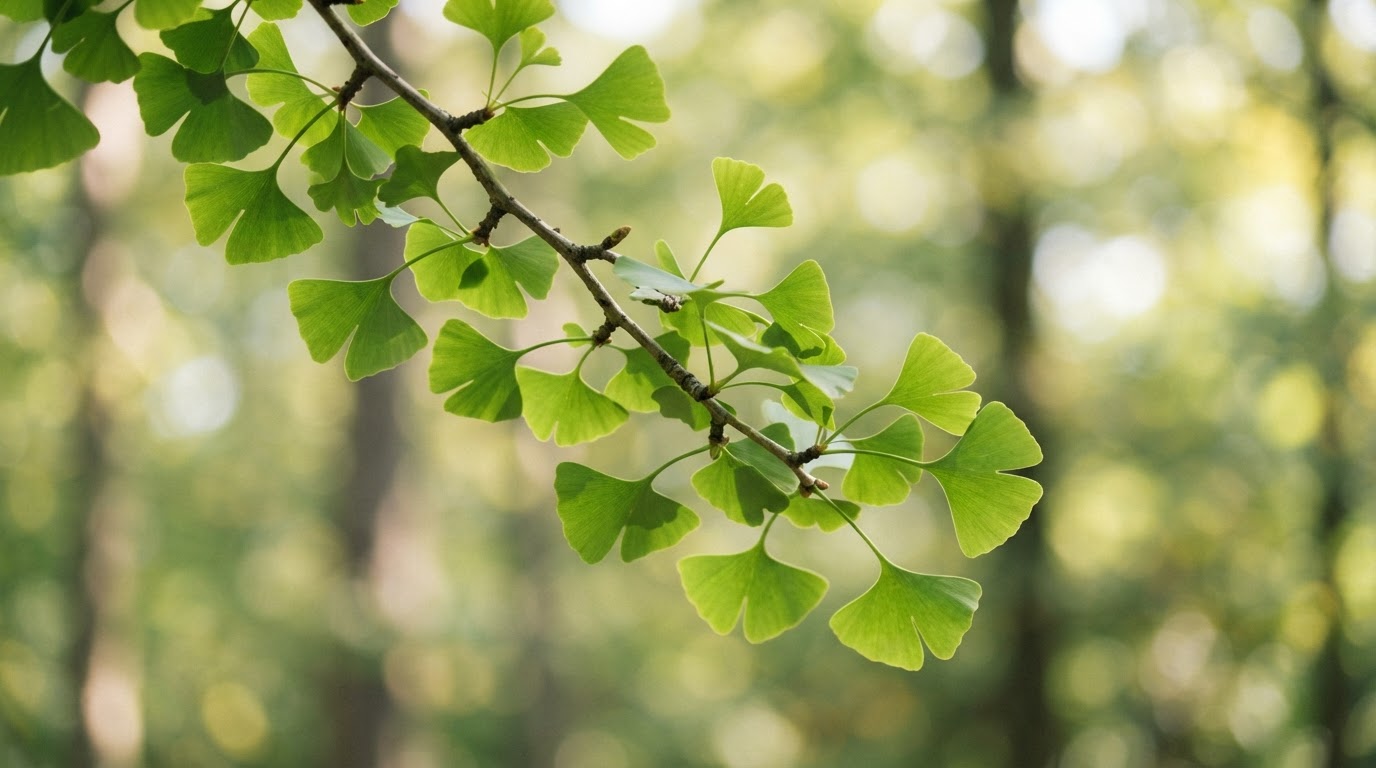
Ginkgo biloba, made from the leaves of one of the world’s oldest tree species, has been sold for decades as a memory booster. It’s thought to improve blood flow and protect brain cells. But do the large, high-quality studies support it?
Here is what large studies found about ginkgo biloba for memory.
Key takeaways: Ginkgo Biloba for Memory
- A large US trial of more than 3,000 older adults found ginkgo did not prevent dementia or slow cognitive decline.
- There is no good evidence that ginkgo improves memory in healthy people.
- Some smaller studies suggest modest symptom benefits in people who already have dementia, but results are mixed.
- Ginkgo can increase bleeding risk and interacts with several medicines.
What the research shows
- Preventing dementia: the Ginkgo Evaluation of Memory (GEM) study gave 3,069 adults aged 75 and older 120 mg of ginkgo extract twice a day or a placebo for about 6 years. Ginkgo did not reduce the rate of dementia or Alzheimer’s disease, and it did not slow cognitive decline.
- Memory in healthy adults: reviews have found no consistent benefit.
- People with dementia: some trials, mainly using the standardized extract EGb 761, report small improvements in symptoms, but overall evidence is inconsistent.
Typical dose
Studies usually used 120–240 mg a day of a standardized leaf extract, split into two or three doses. Never eat raw or roasted ginkgo seeds, which can be toxic and cause seizures.
Side effects and interactions
- Headache, dizziness, stomach upset and allergic skin reactions
- Bleeding risk, especially with blood thinners such as warfarin, antiplatelet drugs such as aspirin and clopidogrel, or NSAIDs
- Stop ginkgo at least 2 weeks before surgery or dental procedures
- Possible interactions with some antidepressants, anti-seizure medicines and diabetes medicines
- Not recommended during pregnancy or breastfeeding
What helps your memory more
Regular exercise, good sleep, managing blood pressure and blood sugar, staying socially and mentally active and protecting your hearing have stronger evidence for brain health. See brain health and memory and omega-3 and brain health.
Frequently asked questions
How long does ginkgo take to work?
Studies typically ran for several months. In healthy people, benefits have not been shown even after years.
Should I see a doctor about memory problems?
Yes. Memory problems can have treatable causes, such as vitamin B12 deficiency, thyroid problems, medicine side effects, depression or sleep apnea.
Related articles
- Omega-3 and Brain Health: Do Fish Oil Supplements Help Memory?
- Brain Health and Memory: Habits and Supplements That Matter
For more detail, see the official guidance from NCCIH: Ginkgo.
This article is for general information only and is not medical advice. Talk to your doctor or pharmacist before taking ginkgo, especially if you take other medicines.

1 Comment on “Ginkgo Biloba for Memory: What the Evidence Says”